What does ceramic coating do?
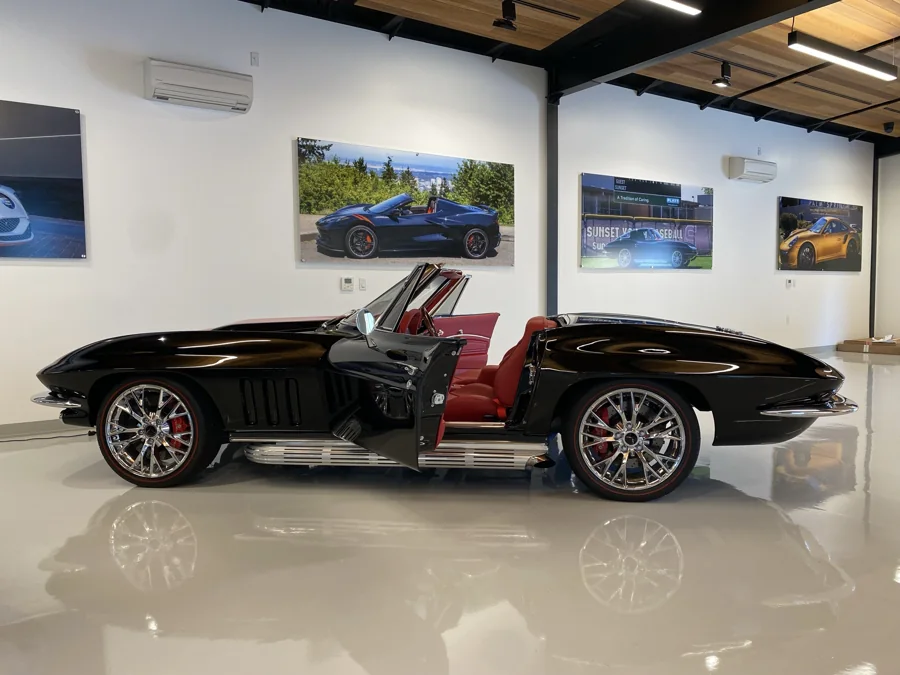
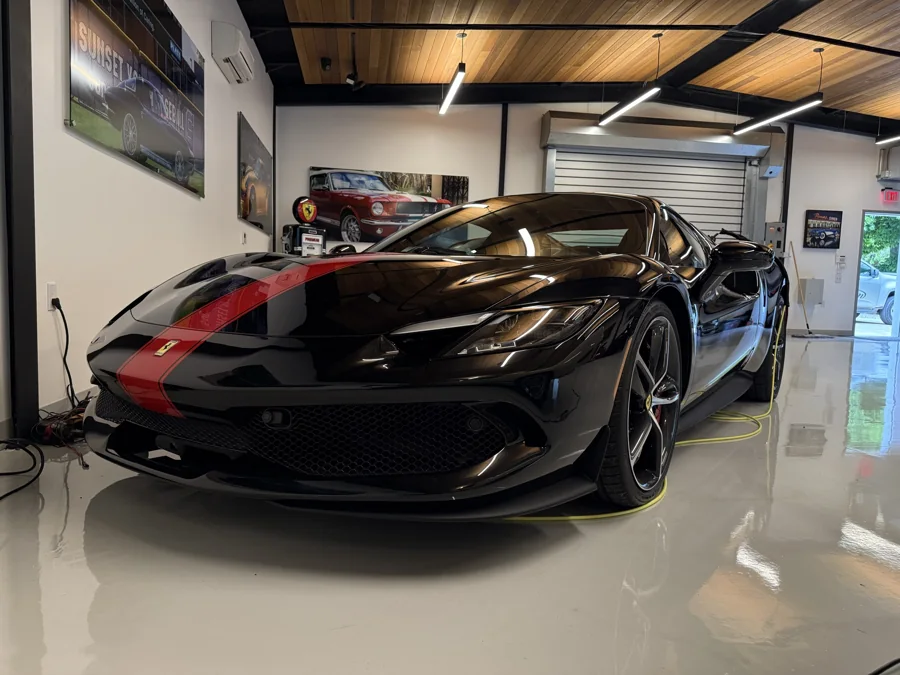
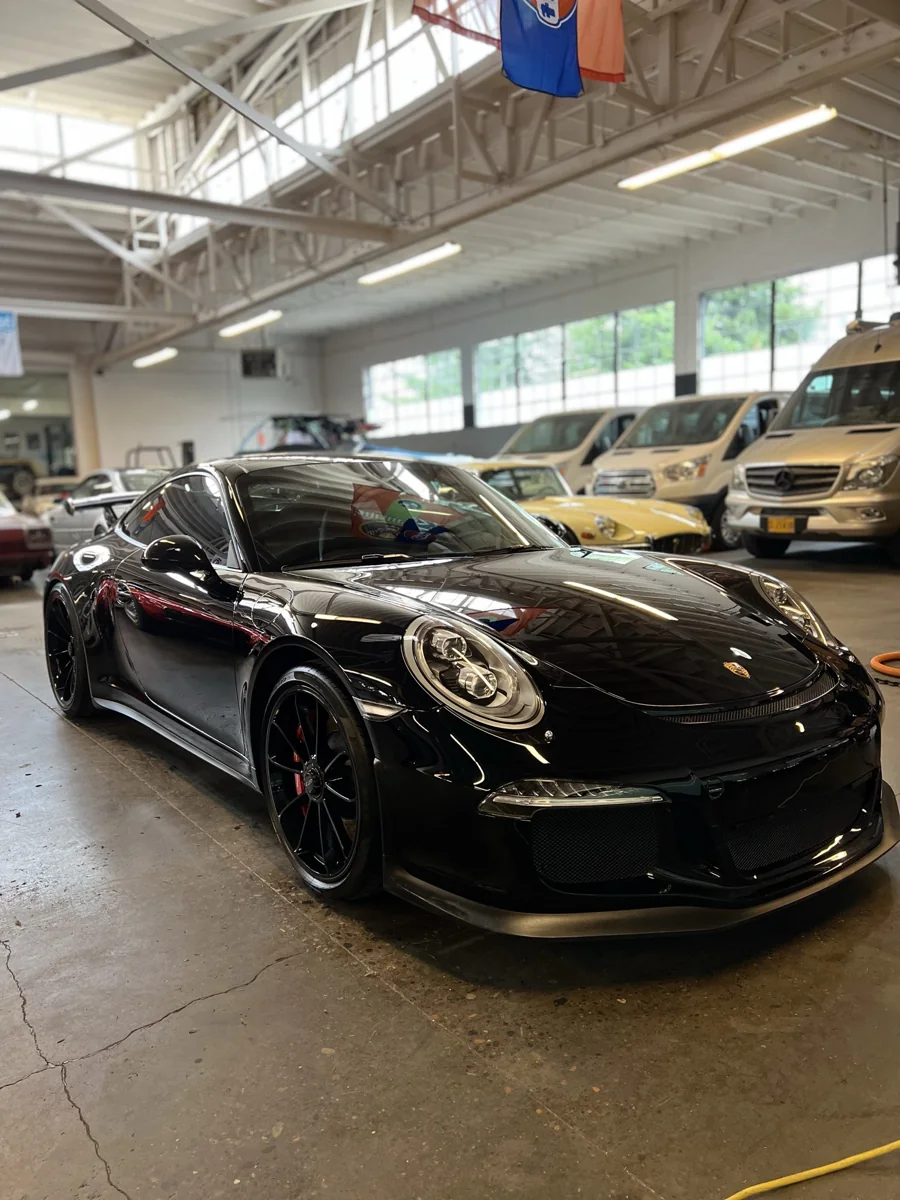
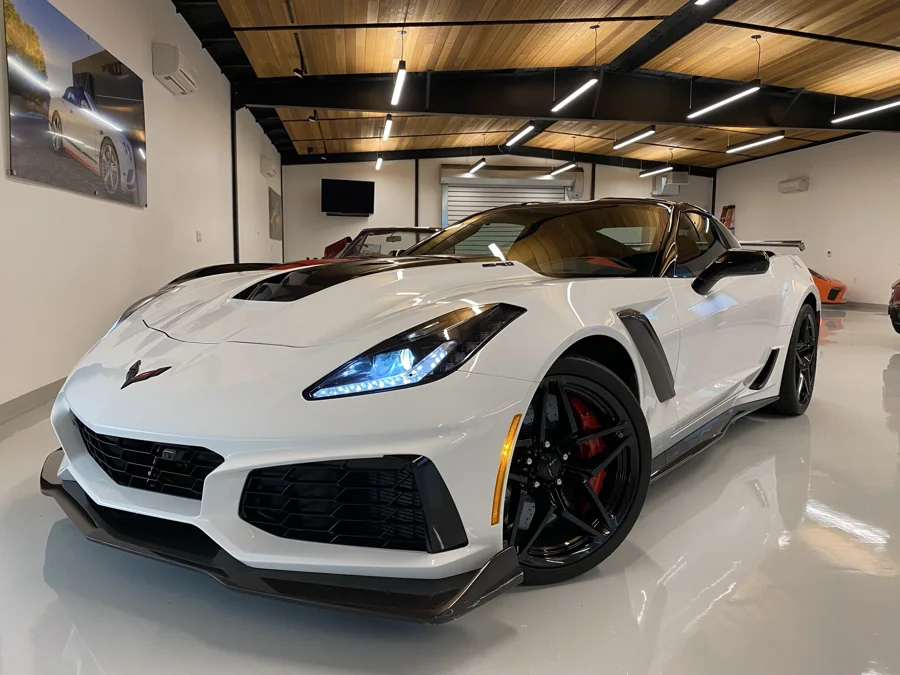
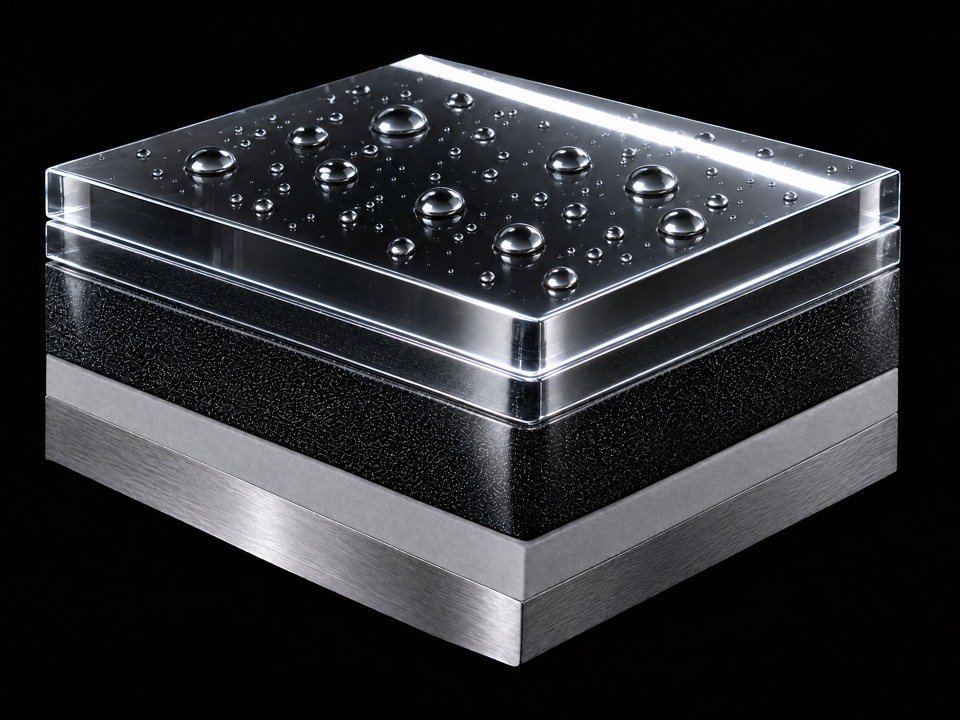
A ceramic coating bonds to a properly prepared surface, adding a protective layer over the automotive clear coat. Its hydrophobic properties help water bead and make routine cleaning easier. It enhances the appearance of the prepared paint and helps resist environmental and chemical contamination; it does not repair existing damage.
Is ceramic coating worth it?
It can be a good fit if you plan to keep your vehicle, value its finish and want easier routine maintenance. The value depends on preparation, the selected coating and how you care for it. If rock chips are your main concern, prioritize paint protection film on high-impact areas.
What does ceramic coating cost in Portland?
Packages start at $750 (Silver), $1,250 (Gold) and $1,550 (Platinum). Vehicle size, paint condition, the correction required and the selected protection all affect the total. Send your year, make, model, clear photos, finish goals and ZIP code for a quote tailored to your vehicle. Your quote should identify the preparation, surfaces included and coating before you book.
Why do coating prices vary so much?
Two installations can involve very different amounts of work. Washing, decontamination, machine polishing, panel preparation and curing all take time. Compare the scope of preparation and correction, the actual coating, surfaces covered and aftercare—not only the advertised price or number of years.
How long does ceramic coating last?
Service life varies with the coating, preparation, exposure and maintenance. A vehicle parked outdoors and washed with harsh brushes will age differently from one kept indoors and carefully hand washed. We offer 1-year, 5-year and 10-year coating options, and your warranty is backed by both the coating manufacturer and Platinum directly, so there's no runaround with the manufacturer if anything comes up.
Does ceramic coating prevent scratches or rock chips?
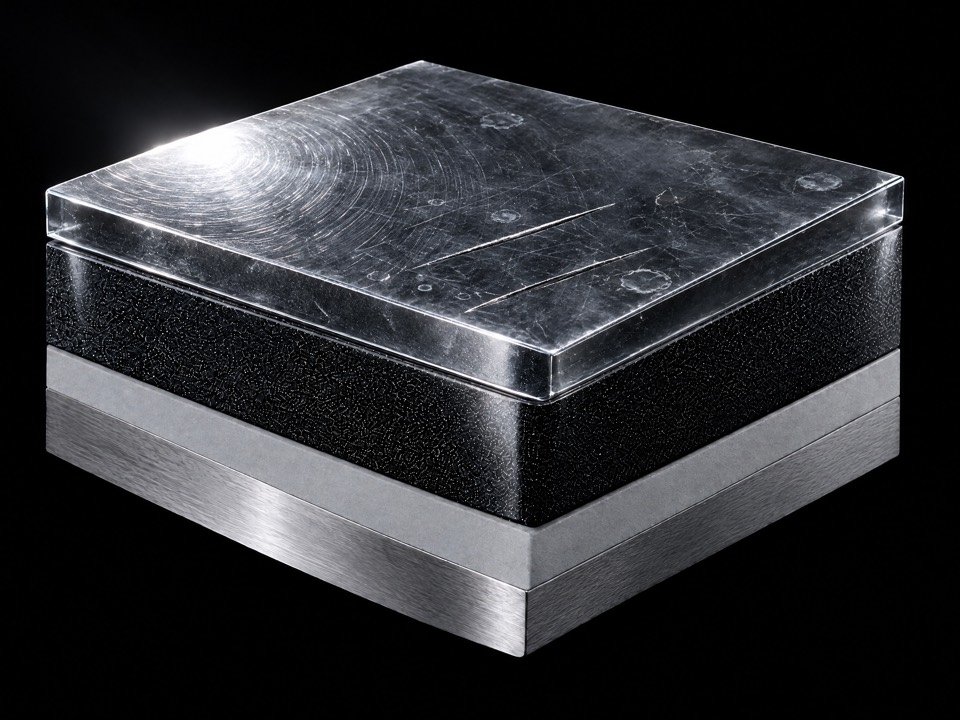
No coating makes paint scratch-proof, and ceramic coating is not a rock-chip barrier. Careless washing can still create swirls. PPF is a physical, sacrificial film that provides substantially more protection against road debris and stone impacts. Film also has limits; neither treatment makes paint indestructible.
Do I need paint correction before ceramic coating?
Every vehicle needs an evaluation and thorough preparation. Machine polishing may be appropriate for swirls, haze or oxidation, but the level depends on paint condition and your goals. Coating does not remove visible defects. Deep scratches, failed clear coat or damage beyond safe correction may require body-shop repair.
Can you ceramic coat a new car?
Yes. New vehicles can have bonded contamination, transport marks or wash swirls. Inspection determines whether a light polish is needed before protection. Tell us your delivery date so we can discuss scheduling and a suitable preparation plan.
How long does installation take?
Timing depends on vehicle size, correction work, the surfaces being coated and the product’s curing requirements. We confirm the work schedule and handover time after assessing your vehicle. Coating needs suitable installation conditions; we will confirm the location and arrangements when quoting.
When can the vehicle get wet or be washed?
Follow the instructions for the coating installed on your vehicle. Initial water exposure and the first wash can have different waiting periods, and temperature and humidity affect curing. We confirm both before handover rather than applying one universal time to every coating.
How do I maintain a ceramic-coated vehicle?
Wash regularly with a coating-safe, pH-neutral shampoo and clean wash media. Avoid abrasive brush washes, rinse thoroughly and dry with clean microfiber or suitable air drying. Remove bird droppings, bugs and other contamination promptly using a safe method. Water beading does not mean mineral deposits or water spots cannot form.
Ceramic coating vs wax: do I still need to wax?
Wax is a temporary protective layer that needs regular renewal. Ceramic coating is designed for longer-term protection with proper care, so traditional waxing generally is not needed. Use only maintenance products compatible with your installed coating; adding random waxes or sealants can change its water behavior.
Can you coat wheels, glass or paint protection film?
Ask about wheel and glass protection when planning your installation. These surfaces need compatible products and their own preparation. A compatible coating can also complement PPF. We confirm exact coverage, product suitability and care instructions in your quote; wheel removal and full wheel coverage are not assumed.